
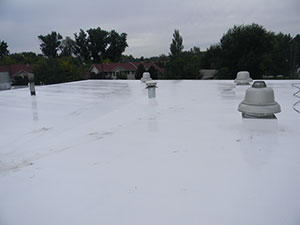
Commercial roofs face unique challenges: constant sun, water exposure, and heavy rooftop equipment all put coatings to the test. At Century Commercial Roofing, we guide facility managers in Montrose, Ohio on how to select and maintain coatings that protect their roofs and extend service life. Proper evaluation of roof conditions, exposure, and operational needs help determine whether a roof coating is the right investment for you. After installation, our roofers give you a neat rundown on energy efficiency, water protection, and long-term durability. Call us on 330-926-6972 for a technical assessment and professional recommendations tailored to commercial properties.
Roof Coating Matters for Commercial Buildings
Coatings are more than a cosmetic upgrade. They serve as a protective barrier, extend roof life, and can improve energy efficiency for warehouses, office buildings, and industrial facilities. Commercial roofs often have large flat or low-slope areas, which increases exposure to standing water, UV rays, and wear from maintenance traffic. Choosing the right coating ensures that these risks are mitigated while minimizing reactive repair costs.
Matching Roof Coating to Conditions

Selecting the right coating requires understanding how each type performs under the stresses of commercial roofing. Below is a detailed breakdown of common coating families:
- Acrylic Coatings: Acrylic coatings are water-based and highly reflective, reducing rooftop heat gain and lowering energy costs. They work best on well-drained commercial roofs with minimal ponding. Acrylics are flexible, allowing them to expand and contract with the roof during temperature fluctuations, which helps prevent cracking. They are ideal for warehouses and office buildings where UV exposure is significant, but foot traffic and mechanical wear are moderate. However, they require proper drainage; standing water can shorten their lifespan.
- Silicone Coatings: Silicone coatings excel at waterproofing and resisting ponding water, making them well-suited for low-slope commercial roofs where water can accumulate. They are highly UV-resistant, so they maintain performance under prolonged sun exposure. Silicones are particularly beneficial for facilities with irregular drainage or areas prone to heavy rainfall. Maintenance involves keeping the surface clean to prevent dirt buildup, which can reduce reflectivity over time.
- Polyurethane Coatings: Polyurethane coatings offer exceptional durability and impact resistance. These coatings are ideal for commercial roofs with high foot traffic, rooftop HVAC units, or frequent maintenance activity. Their toughness helps prevent punctures and surface abrasion, while still reflecting sunlight to maintain some energy efficiency. Polyurethane coatings are preferred for industrial warehouses and distribution centers where the roof may experience mechanical wear or debris impact.
Decision Checklist
We have compiled a list of statements for commercial property owners across Ohio. A simple, true, or false answer to these will help our roofers determine what coating will suit your system best:
- Roof drains completely within 48 hours after rain
- Heavy rooftop equipment or maintenance traffic
- Energy efficiency or reflective performance a priority
- Surface wear, cracks, or degraded membranes present
- Coating recoat intervals and maintenance resources available
Answering these questions ensures coatings are selected for performance and longevity, not just cost.
Application Realities and Key Controls
The success of any coating depends on preparation and quality control:
- Roof must be cleaned and dry before application
- Repairs to seams, penetrations, and weak spots should be completed
- Environmental conditions during application affect curing
- Thickness verification and continuity checks prevent early failure
- Multi-stage systems require base coats, reinforcement, and topcoats applied in sequence
Quality control prevents early delamination, blistering, or adhesion issues.
Lifecycle and Maintenance Considerations
Roof coatings are systems, not single-step fixes. Periodic inspections, cleaning, and timely recoating maximize lifespan and protect ROI. Properly maintained coatings can extend roof life by 8–20 years depending on material, exposure, and usage. Coatings also reduce energy costs by reflecting heat, especially on flat commercial roofs in high sun regions.
Roof Coating Specialists
Choosing the right roof coating in Montrose, Ohio, involves evaluating roof condition, exposure, and facility operations. Century Commercial Roofing provides commercial-grade guidance, inspections, and application planning to ensure coatings deliver long-term protection and energy savings. Facility managers can extend roof life, reduce maintenance costs, and protect building investments with the proper coating strategy. Call 330-926-6972 for a comprehensive evaluation and coating plan for your commercial roof.
FAQ
How long do commercial roof coatings last
Typically 8–20 years depending on material, roof exposure, and maintenance.
Can coatings be applied over existing commercial membranes
Yes, with proper cleaning, substrate preparation, and adhesion testing.
Will coatings prevent ponding water damage
Silicone coatings resist ponding; however, correcting drainage is still essential.
How often should coated roofs be inspected
Inspect at least twice per year and after storms, focusing on drains, penetrations, and high-traffic zones.