
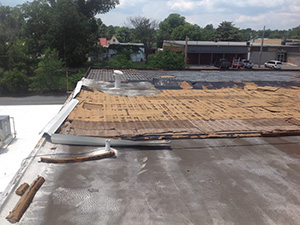
Severe weather can leave lasting effects on commercial buildings, and for property owners in Richfield, OH, understanding the early signs of roof damage is critical to protecting assets and avoiding costly disruptions. High winds, heavy rain, hail, and snow can all compromise roofing systems in different ways. Knowing what to look for immediately after a storm helps building owners act quickly and responsibly. If you manage a commercial property in Richfield, OH and suspect storm-related roof damage, call 330-926-6972 to discuss next steps with a knowledgeable professional from Century Commercial Roofing.
Roof Damage Checklist: What to Look for After Severe Weather
Why Post-Storm Roof Checks Are Essential
Commercial roofs are designed for durability, but severe weather tests even the strongest systems. Damage isn’t always obvious from inside the building, which is why post-storm assessments are so important.
Unchecked roof damage can allow moisture intrusion, weaken insulation, and compromise structural components. Over time, these issues can escalate into expensive repairs, tenant complaints, or operational downtime. A timely checklist-based evaluation helps business owners identify concerns early and plan corrective action before problems worsen.

Exterior Roof Damage
After severe weather, the exterior of the roof should be evaluated for visible warning signs. While professional inspections are always recommended, understanding common indicators helps owners know when action is needed.
Membrane Tears and Punctures
High winds and flying debris can puncture or tear roofing membranes. Even small openings can allow water to penetrate underlying layers.
Loose or Missing Materials
Flashing, edge details, and coping can loosen or detach during storms. Missing components expose vulnerable roof areas to moisture and wind uplift.
Hail Impact Marks
Hail can bruise or crack roofing materials. On flat or low-slope roofs, hail damage may appear as soft spots or surface indentations that reduce material lifespan.
Drainage Blockages
Storm debris can clog drains and scuppers, leading to standing water. Ponding increases stress on the roof and accelerates deterioration if not addressed promptly.
Century Commercial Roofing often sees minor surface damage overlooked until it becomes a much larger issue, underscoring the importance of early identification.
Interior Warning Signs That Point to Roof Damage
Not all roof damage is immediately visible from the outside. Interior signs often provide the first clue that storm-related issues exist.
Water Stains or Drips
Discoloration on ceilings or walls indicates moisture intrusion. Even if leaks appear small, they often signal larger roofing concerns above.
Musty Odors
Persistent damp smells can indicate trapped moisture within insulation or decking, a common result of undetected roof damage.
Temperature Fluctuations
Damaged insulation caused by water infiltration can affect indoor temperature control, increasing energy costs and reducing comfort.
These interior indicators should never be ignored, as they suggest that water has already bypassed the roof’s protective layers.
Structural and Long-Term Concerns After Severe Weather
Beyond immediate surface issues, severe weather can create structural stresses that aren’t always obvious without careful evaluation.
Decking Stress or Movement
Strong winds can shift roof components, stressing fasteners and decking. Over time, this movement can lead to cracks or separation.
Compromised Seams and Penetrations
Roof seams, HVAC penetrations, and skylights are common weak points. Weather-related expansion, contraction, and impact can compromise seals in these areas.
Accelerated Aging
Even if damage seems minimal, storms can shorten a roof’s overall lifespan by weakening protective layers and exposing materials to UV and moisture.
A thorough assessment helps commercial building owners understand whether damage is cosmetic, repairable, or a sign of deeper structural concerns.
Turning a Roof Damage Checklist Into Smart Decisions
Using a roof damage checklist after severe weather supports better decision-making. Instead of reacting to emergencies, property owners can document findings, prioritize repairs, and allocate budgets more effectively.
Professional evaluations help confirm which issues need immediate attention and which can be monitored. This approach reduces the risk of unexpected failures and supports long-term roof performance.
For businesses, proactive action also protects inventory, equipment, and tenant spaces from water-related disruptions.
Roof Damage Experts
Severe weather is unpredictable, but your response doesn’t have to be. Understanding roof damage indicators allows commercial property owners to act quickly, minimize risk, and maintain operational continuity.
If your building in Richfield, OH has recently experienced severe weather, don’t wait for problems to escalate. Call 330-926-6972 to discuss how a professional assessment from Century Commercial Roofing can help protect your roof and your investment.
FAQ
Can minor roof damage really cause serious problems later?
Yes. Small punctures or loose components often lead to water intrusion and larger structural issues over time.
Is it safe for building owners to inspect roofs themselves after a storm?
Visual observations from the ground are fine, but walking on a damaged roof can be unsafe and may worsen the damage.
Does all storm-related roof damage require immediate repair?
Not always, but professional evaluation helps determine which issues are urgent and which can be planned.
How does documenting roof damage help with insurance claims?
Photos and inspection reports provide clear evidence that supports accurate and timely claims processing.