
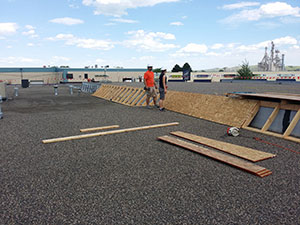
When searching for a commercial roofing contractor in Hinckley, OH, many building owners notice the word “certified” on websites and proposals. But what does that really mean? Is it simply marketing language, or does certification reflect real value for your building?
Century Commercial Roofing is here to get the most from your commercial roof. Call 330-926-6972 today and schedule a consultation.
What Makes a Commercial Roofing Contractor “Certified”
Understanding what makes a contractor certified can help you protect your investment, secure stronger warranties, and ensure your roofing system performs as designed. For property managers and facility directors in Northeast Ohio, working with a certified commercial roofing contractor like Century Commercial Roofing can make a measurable difference in long-term performance.
Manufacturer Certification Is More Than a Logo
A true commercial roofing contractor certification is typically issued by a roofing material manufacturer. These certifications are not handed out casually. Contractors must meet strict standards before they are approved to install specific systems.
To earn certification, contractors often must:
- Complete factory training on system installation
- Demonstrate a history of successful commercial projects
- Maintain proper licensing and insurance
- Meet safety and compliance benchmarks
- Pass periodic manufacturer inspections
This ensures that the contractor understands not just general roofing practices, but the exact installation requirements for that manufacturer’s system.
Certification Matters for Commercial Roof Systems
Commercial roofing systems such as TPO, EPDM, PVC, metal, and modified bitumen require precise installation methods. Improper fastening patterns, insulation attachment, or seam welding can reduce system performance and void warranties.
When a certified commercial roofing contractor installs your roof, the manufacturer has confidence in the workmanship. That confidence often allows for stronger warranty options, including extended labor and material coverage.
For commercial properties in Hinckley, OH, where snow loads, freeze-thaw cycles, and summer heat all impact roofing systems, proper installation is critical. Certification helps ensure the system is built to perform under regional conditions.
Access to Enhanced Warranty Options
One of the most important advantages of working with a certified commercial roofing contractor is access to higher-tier warranties.
Manufacturers may offer:
- Standard material-only warranties
- System warranties
- No-dollar-limit warranties
- Extended term coverage options
Many of these enhanced warranties are only available when installed by an approved contractor. This protects building owners from unexpected repair costs tied to material defects or system failures.
Century Commercial Roofing works within manufacturer guidelines to help commercial property owners in Hinckley secure the strongest warranty options available for their specific building and system.

Ongoing Training and Quality Control
Certification is not a one-time achievement. Most manufacturers require continuing education and periodic review. Contractors may be required to:
- Attend updated training sessions
- Maintain safety records
- Submit projects for inspection
- Meet annual volume or performance standards
This ongoing oversight ensures consistent quality. It also means certified contractors stay current with evolving materials, installation techniques, and energy efficiency standards.
In today’s commercial roofing landscape, system technology continues to advance. Reflective membranes, enhanced insulation systems, and improved fastening methods require updated knowledge. Certification helps ensure your contractor is not relying on outdated practices.
Code Compliance and Documentation
Commercial roofing projects in Hinckley, OH must comply with local building codes and state requirements. Certified contractors are typically well-versed in these regulations and understand documentation requirements tied to inspections and warranties.
Accurate documentation is especially important for:
- Insurance claims
- Property sales
- Facility audits
- Capital planning reviews
A certified commercial roofing contractor provides clear system documentation, manufacturer approvals, and warranty registration paperwork that supports your long-term asset management strategy.
Reduced Risk for Property Owners
Ultimately, certification reduces risk.
Commercial roofing systems represent a major capital investment. Hiring a contractor without proper manufacturer approval may lead to:
- Voided warranties
- Installation errors
- Higher lifecycle costs
- Premature system failure
Working with an established, certified commercial roofing contractor in Hinckley like Century Commercial Roofing helps protect your building from avoidable issues.
Certification signals accountability. It means the contractor’s work is backed not only by their company, but also by the material manufacturer whose name is on the system.
Choosing the Right Certified Commercial Roofing Contractor
When evaluating contractors, ask specific questions:
- Which manufacturers are you certified with?
- What warranty levels can you offer?
- How often are your roofing teams trained?
- Do manufacturers inspect your installations?
Clear answers to these questions help distinguish truly certified commercial roofing contractors from companies that simply list brands they use.
For commercial property owners in Hinckley, OH, choosing a certified contractor is not about marketing claims. It is about long-term performance, reduced liability, and stronger protection for your roofing investment.
Century Commercial Roofing works closely with leading manufacturers to deliver certified installations designed for durability, compliance, and long-term value.
To learn more, call 330-926-6972 and speak with a certified expert today.
FAQ
How can I verify a commercial roofing contractor’s certification?
You can request documentation directly from the contractor and confirm approval status through the roofing material manufacturer’s website or regional representative.
Does certification increase the cost of a commercial roofing project?
Certification itself does not automatically increase costs, but it may provide access to stronger warranties and higher installation standards that improve long-term value.
Are certified contractors required for insurance claims?
While not always mandatory, insurance providers often prefer work performed by qualified and manufacturer-approved contractors to reduce future risk.