
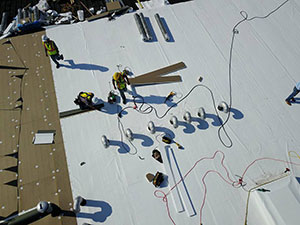
Commercial Roofing Contractor Hinckley, OH

Commercial Roofing Contractor1

When searching for a commercial roofing contractor in Hinckley, OH, many building owners notice the word “certified” on websites and proposals. But what does that really mean? Is it simply marketing language, or does certification reflect real value for your building?

Century Commercial Roofing is here to get the most from your commercial roof. Call 330-926-6972 today and schedule a consultation.

What Makes a Commercial Roofing Contractor “Certified”

Understanding what makes a contractor certified can help you protect your investment, secure stronger warranties, and ensure your roofing system performs as designed. For property managers and facility directors in Northeast Ohio, working with a certified commercial roofing contractor like Century Commercial Roofing can make a measurable difference in long-term performance.

Manufacturer Certification Is More Than a Logo

A true commercial roofing contractor certification is typically issued by a roofing material manufacturer. These certifications are not handed out casually. Contractors must meet strict standards before they are approved to install specific systems.

To earn certification, contractors often must:

  • Complete factory training on system installation
  • Demonstrate a history of successful commercial projects
  • Maintain proper licensing and insurance
  • Meet safety and compliance benchmarks
  • Pass periodic manufacturer inspections

This ensures that the contractor understands not just general roofing practices, but the exact installation requirements for that manufacturer’s system.

Certification Matters for Commercial Roof Systems

Commercial roofing systems such as TPO, EPDM, PVC, metal, and modified bitumen require precise installation methods. Improper fastening patterns, insulation attachment, or seam welding can reduce system performance and void warranties.

When a certified commercial roofing contractor installs your roof, the manufacturer has confidence in the workmanship. That confidence often allows for stronger warranty options, including extended labor and material coverage.

For commercial properties in Hinckley, OH, where snow loads, freeze-thaw cycles, and summer heat all impact roofing systems, proper installation is critical. Certification helps ensure the system is built to perform under regional conditions.

Access to Enhanced Warranty Options

One of the most important advantages of working with a certified commercial roofing contractor is access to higher-tier warranties.

Manufacturers may offer:

  • Standard material-only warranties
  • System warranties
  • No-dollar-limit warranties
  • Extended term coverage options

Many of these enhanced warranties are only available when installed by an approved contractor. This protects building owners from unexpected repair costs tied to material defects or system failures.

Century Commercial Roofing works within manufacturer guidelines to help commercial property owners in Hinckley secure the strongest warranty options available for their specific building and system.

Commercial Roofing Contractor2

Ongoing Training and Quality Control

Certification is not a one-time achievement. Most manufacturers require continuing education and periodic review. Contractors may be required to:

  • Attend updated training sessions
  • Maintain safety records
  • Submit projects for inspection
  • Meet annual volume or performance standards

This ongoing oversight ensures consistent quality. It also means certified contractors stay current with evolving materials, installation techniques, and energy efficiency standards.

In today’s commercial roofing landscape, system technology continues to advance. Reflective membranes, enhanced insulation systems, and improved fastening methods require updated knowledge. Certification helps ensure your contractor is not relying on outdated practices.

Code Compliance and Documentation

Commercial roofing projects in Hinckley, OH must comply with local building codes and state requirements. Certified contractors are typically well-versed in these regulations and understand documentation requirements tied to inspections and warranties.

Accurate documentation is especially important for:

  • Insurance claims
  • Property sales
  • Facility audits
  • Capital planning reviews

A certified commercial roofing contractor provides clear system documentation, manufacturer approvals, and warranty registration paperwork that supports your long-term asset management strategy.

Reduced Risk for Property Owners

Ultimately, certification reduces risk.

Commercial roofing systems represent a major capital investment. Hiring a contractor without proper manufacturer approval may lead to:

  • Voided warranties
  • Installation errors
  • Higher lifecycle costs
  • Premature system failure

Working with an established, certified commercial roofing contractor in Hinckley like Century Commercial Roofing helps protect your building from avoidable issues.

Certification signals accountability. It means the contractor’s work is backed not only by their company, but also by the material manufacturer whose name is on the system.

Choosing the Right Certified Commercial Roofing Contractor

When evaluating contractors, ask specific questions:

  • Which manufacturers are you certified with?
  • What warranty levels can you offer?
  • How often are your roofing teams trained?
  • Do manufacturers inspect your installations?

Clear answers to these questions help distinguish truly certified commercial roofing contractors from companies that simply list brands they use.

For commercial property owners in Hinckley, OH, choosing a certified contractor is not about marketing claims. It is about long-term performance, reduced liability, and stronger protection for your roofing investment.

Century Commercial Roofing works closely with leading manufacturers to deliver certified installations designed for durability, compliance, and long-term value.

To learn more, call 330-926-6972 and speak with a certified expert today.

FAQ

How can I verify a commercial roofing contractor’s certification?
You can request documentation directly from the contractor and confirm approval status through the roofing material manufacturer’s website or regional representative.

Does certification increase the cost of a commercial roofing project?
Certification itself does not automatically increase costs, but it may provide access to stronger warranties and higher installation standards that improve long-term value.

Are certified contractors required for insurance claims?
While not always mandatory, insurance providers often prefer work performed by qualified and manufacturer-approved contractors to reduce future risk.

Commercial Roof Restoration Fairlawn, OH

Commercial Roof Restoration Fairlawn, OH 1

If a commercial building roof is showing signs of wear, commercial roof restoration can offer more than an extended lifespan. Restoration can improve overall building performance, protect long-term investments, and support better operational efficiency when addressed at the right time. For property owners in Fairlawn, understanding how restoration fits into a long-term roofing strategy helps prevent unnecessary costs and disruption.

Reach out to Century Commercial Roofing for guidance on commercial roof restoration in Fairlawn, OH, and get clear direction for your roofing project. Call 330-926-6972.

Unexpected Benefits of Commercial Roof Restoration

While many people focus solely on longevity when thinking about roof restoration, there are several unexpected benefits that can enhance your building’s functionality, energy efficiency, and overall value. In this article, we explore these advantages so property owners can see the full impact of a well-executed restoration project.

Improved Energy Efficiency

One major benefit of roof restoration that is often overlooked is energy efficiency. Modern roof coatings and membranes can reflect heat more effectively, reducing the amount of energy your HVAC system uses to maintain comfortable temperatures inside your building. This can be particularly beneficial during Ohio’s hot summer months, lowering cooling costs without major upgrades.

Some energy-related benefits include:

  • Reflective coatings that reduce roof surface temperature
  • Improved insulation performance by sealing leaks and gaps
  • Reduced strain on HVAC systems, leading to lower utility bills
Commercial Roof Restoration Fairlawn, OH 2

For businesses looking to save on operating costs, this is a practical advantage that goes beyond simply extending roof life.

Enhanced Safety and Reduced Risk of Damage

Commercial roof restoration often strengthens the roof structure, making it safer for workers and equipment. A restored roof can prevent water pooling, reduce slip hazards, and protect against unexpected leaks that could damage interior equipment or inventory.

Benefits related to safety include:

  • Stronger surface for rooftop equipment or foot traffic
  • Minimized water intrusion that could cause structural damage
  • Fewer emergency repairs and insurance claims

By addressing these risks proactively, restoration can prevent costly accidents and liabilities.

Improved Building Appearance and Property Value

A restored roof can also enhance the visual appeal of your commercial property. A clean, uniform roof surface not only reflects well on your business but may also increase property value. For buildings with tenants or clients visiting regularly, this can improve first impressions and demonstrate a commitment to maintenance and quality.

Considerations include:

  • Smooth, uniform roof surfaces with no visible patches
  • Modern reflective coatings that improve aesthetics
  • Potentially higher appraisal values for commercial properties

This benefit often surprises owners who initially focus solely on structural performance.

Environmentally Friendly

Many modern restoration techniques are designed to be eco-friendly. Instead of replacing the entire roof, restoration reduces material waste and can extend the life of existing structures. Additionally, reflective coatings contribute to lower energy consumption, which has a positive impact on the environment.

Environmental benefits include:

  • Reduced landfill waste from avoided tear-offs
  • Lower energy consumption through reflective or cool roof coatings
  • Potential eligibility for green building incentives

For companies focused on sustainability, roof restoration offers a tangible way to reduce environmental impact.

Maximizing ROI Through Strategic Restoration

When executed properly, commercial roof restoration can provide significant return on investment. By addressing leaks, improving energy efficiency, and enhancing aesthetics, property owners often recover costs faster than expected. Restoration projects can also delay the need for full roof replacement, spreading out capital expenditures over a longer period.

By considering these benefits alongside longevity, building owners can make a more informed decision about whether restoration is the right approach for their property.

Specializing in Commercial Roof Restoration

At Century Commercial Roofing, we help property owners across Fairlawn, Ohio uncover the full value of commercial roof restoration. Restoration isn’t just about extending your roof’s life, it can improve efficiency, safety, aesthetics, and environmental performance. Contact us today at 330-926-6972 to explore how your building can gain from a professionally executed roof restoration.

FAQ

Can roof restoration improve indoor comfort?
Yes, sealing leaks and adding reflective coatings can help maintain consistent indoor temperatures and reduce HVAC strain.

Is commercial roof restoration environmentally friendly?
Yes, it minimizes waste by extending the existing roof’s life and can reduce energy use through reflective coatings.

How quickly can restoration projects be completed?
Most commercial roof restorations are completed within days to a couple of weeks depending on roof size and complexity.

Will restoration increase property value?
A restored roof can enhance aesthetics and performance, which may positively influence appraisal value and tenant perception.

Roof Maintenance Richfield, OH

Roof Maintenance Richfield, OH 1

For commercial property owners in Richfield, OH, roofing problems rarely begin with dramatic leaks or visible structural damage. Instead, they start as small, nearly invisible issues that grow over time. This is why roof maintenance is one of the most important investments you can make for your building. A proactive maintenance approach helps prevent unexpected repairs, reduce operational disruptions, and extend the life of your roofing system. To learn how professional maintenance can protect your building in Richfield, OH, contact Century Commercial Roofing at 330-926-6972.

Why Regular Roof Maintenance Saves Thousands in Repair Costs

Commercial roofs are constantly exposed to harsh environmental conditions. Sun exposure, wind, rain, snow, and temperature fluctuations gradually wear down roofing materials. Over time, seams loosen, flashing weakens, drainage systems clog, and protective coatings deteriorate.

What makes roofing issues particularly challenging is how slowly they develop. A tiny crack or minor seam separation may not seem urgent, but it can allow moisture to infiltrate the roofing system. Once water enters the roof assembly, it can spread beneath the surface, damaging insulation, decking, and interior finishes.

Without regular roof maintenance, these minor issues often go unnoticed until they become major repairs. By the time visible leaks appear inside the building, the damage has already expanded significantly. Maintenance programs are designed to catch these early warning signs before they escalate into disruptive problems.

Roof Maintenance Richfield, OH 2

Extending the Lifespan of Commercial Roofing Systems

One of the most overlooked benefits of roof maintenance is its role in extending roof longevity. Every commercial roofing system is built with an expected service life, but that lifespan assumes the roof will receive proper care throughout its lifetime.

Maintenance ensures roofing materials continue performing as designed. Sealants are refreshed, flashing is reinforced, and minor wear is corrected before it accelerates. This ongoing attention helps the roof resist weather damage and maintain its protective qualities for longer periods.

For building owners, this means getting the maximum value from their roofing investment. Instead of facing premature replacement due to neglect, the roof remains functional and reliable for as long as possible. A longer-lasting roof translates to fewer large-scale projects and more predictable long-term planning.

Preventing Operational Disruptions and Tenant Complaints

Roof issues rarely stay confined to the rooftop. Water intrusion can affect offices, retail spaces, warehouses, and equipment areas. Even a small leak can disrupt daily operations, damage inventory, and create safety concerns for employees and customers.

Regular roof maintenance helps prevent these scenarios by addressing vulnerabilities before they impact the building interior. Clear drainage systems prevent standing water, reinforced seams stop leaks before they begin, and proactive repairs reduce the likelihood of emergency situations.

For property managers and building owners, fewer roofing emergencies mean fewer interruptions, stronger tenant relationships, and a more stable business environment.

Improving Energy Efficiency Through Roof Maintenance

Roof maintenance also plays an important role in energy performance. A well-maintained roof helps regulate indoor temperatures by maintaining insulation effectiveness and reflective properties. When roofing materials deteriorate, energy efficiency often declines.

Cracks, gaps, and moisture infiltration can reduce insulation performance, allowing heat to escape during colder months and enter during warmer months. This forces HVAC systems to work harder, increasing energy usage and creating inconsistent indoor conditions.

Routine maintenance helps preserve the roof’s thermal performance by ensuring insulation stays dry and roofing surfaces remain intact. As a result, buildings maintain more stable indoor temperatures and operate more efficiently year-round.

Supporting Long-Term Budget Planning

Unexpected roofing repairs are challenging because they disrupt budgets and require immediate action. Maintenance programs provide a more predictable approach by identifying potential issues early and allowing repairs to be planned strategically.

Instead of reacting to emergencies, building owners can schedule repairs during convenient times and avoid last-minute decision-making. Maintenance documentation also provides valuable insights into roof condition, helping owners anticipate future needs and plan accordingly.

This proactive strategy transforms roofing from a reactive expense into a manageable, long-term investment.

Roof Maintenance Experts!

For commercial property owners in Richfield, OH, consistent roof maintenance is one of the smartest ways to protect your building, minimize disruptions, and extend the life of your roofing system. A proactive approach today can prevent major challenges tomorrow. To learn more about professional maintenance services, contact Century Commercial Roofing at 330-926-6972 and start protecting your roofing investment in Richfield, OH.

FAQ

What does roof maintenance typically include?
Roof maintenance often involves inspections, cleaning debris, sealing minor cracks, repairing flashing, and checking drainage systems.

Can maintenance help prevent leaks?
Yes, early detection and repair of weak points greatly reduce the risk of leaks developing.

Is roof maintenance suitable for all commercial roof types?
Most commercial roofing systems benefit from customized maintenance plans tailored to their materials and structure.

Does maintenance improve building efficiency?
Proper upkeep helps preserve insulation and reflective surfaces, supporting better indoor temperature control.


Commercial Roof Repair Fairlawn, OH

Commercial Roof Repair Fairlawn, OH 1

Storms and high winds can cause sudden and often hidden damage to commercial roofing systems, making commercial roof repair a critical part of protecting a building. Issues like membrane tears, displaced flashing, punctures, or loosened fasteners can allow water intrusion long before visible interior leaks appear. At Century Commercial Roofing, we evaluate emergency commercial roof repair needs for buildings throughout Fairlawn, Ohio, where wind events, heavy rain, and seasonal storms regularly stress low-slope roofing systems. Understanding how storm damage affects commercial roofs and how emergency repairs are handled helps property owners act quickly and avoid broader system failure. For urgent roof concerns following severe weather, our team can be reached at 330-926-6972.

Commercial Roof Repair After Storm or Wind Damage

Commercial roofs are designed to resist weather exposure, but severe storms introduce forces that go beyond normal operating conditions. High winds can lift membrane edges, stress seams, and pull at flashing components, while driving rain can exploit even small openings in the roof system.

Common storm-related damage includes:

  • Membrane uplift or tearing along seams and perimeters
  • Dislodged edge metal and coping systems
  • Punctures caused by windborne debris
  • Compromised flashing around rooftop equipment
  • Blocked or overwhelmed drainage components
Commercial Roof Repair Fairlawn, OH 2

This type of damage is often spread across the roof surface, making professional inspection essential after major weather events.

When Commercial Roof Repair Becomes an Emergency

Not all storm damage requires immediate action, but certain conditions qualify as emergency commercial roof repair because they pose a direct risk to the building interior or structure. Active water intrusion, exposed insulation, or roof openings created by wind damage should be addressed as soon as possible.

Emergency situations typically involve:

  • Visible leaks during or immediately after a storm
  • Missing or displaced roofing materials
  • Structural components exposed to weather
  • Saturated insulation that threatens roof stability

Quick response helps stabilize the roof and prevent water from spreading into unaffected areas.

The Emergency Commercial Roof Repair Process Explained

Emergency commercial roof repair focuses on stabilization first, not permanent restoration. The goal is to stop water entry and secure vulnerable areas until full repairs can be planned.

A typical emergency repair process includes:

  • Initial damage assessment and safety evaluation
  • Temporary waterproofing or membrane securement
  • Removal of loose or hazardous materials
  • Documentation of damaged areas for follow-up repairs

These steps protect the building while allowing time for a more thorough repair strategy to be developed.

Temporary Repairs vs Permanent Commercial Roof Repair

Temporary emergency repairs are not intended to serve as long-term solutions. They are designed to hold until conditions allow for permanent commercial roof repair.

Key differences include:

  • Temporary repairs prioritize speed and containment
  • Permanent repairs address underlying system damage
  • Follow-up work restores full roof performance
  • Materials and attachment methods differ between stages

Understanding this distinction helps building owners plan next steps without assuming the emergency fix resolves the issue permanently.

Post-Storm Inspections Matter Even Without Leaks

Not all storm damage results in immediate leaks. Wind uplift and seam stress can weaken roofing components in ways that only become visible weeks or months later. Post-storm inspections identify these hidden issues before they escalate into major failures.

Regular inspections after severe weather allow for:

  • Early detection of membrane stress
  • Identification of loose flashing or fasteners
  • Drainage system evaluation
  • Documentation for maintenance planning

This proactive approach reduces long-term repair costs and unexpected disruptions.

Managing Emergency Commercial Roof Repair Planning

Emergency commercial roof repair is most effective when it is part of a broader roof management plan. Buildings with documented roof conditions, repair histories, and inspection schedules are easier to stabilize quickly after storm events. Planning ahead helps reduce response time and limits the extent of damage when severe weather occurs.

Commercial Roof Repair Specialists

In Fairlawn, Ohio, storms can disrupt business operations if roof damage is not addressed promptly. At Century Commercial Roofing, commercial roof repair focuses on protecting interiors, equipment, and occupants while preserving the integrity of the roofing system. Quick stabilization followed by informed repair decisions helps extend roof life and minimize operational downtime. For questions about commercial roof repair needs, Century Commercial Roofing can be reached at 330-926-6972.

FAQ

How quickly should emergency commercial roof repair be addressed after a storm?
Emergency conditions should be evaluated as soon as it is safe to access the roof, ideally within 24 to 48 hours, to limit water intrusion and secondary damage.

Can emergency commercial roof repair be performed during ongoing bad weather?
Temporary stabilization may be possible in some conditions, but safety and material limitations often require waiting until weather improves.

Does emergency commercial roof repair always involve interior leaks?
No. Many emergency repairs address exterior damage that has not yet caused interior leaks but poses a high risk of future failure.

Will emergency commercial roof repair affect long-term roof warranties?
Temporary repairs themselves usually do not, but improper or undocumented work can impact warranty coverage, which is why professional evaluation is important.

Commercial Roofing Contractor Fairlawn, OH

Commercial Roofing Contractor Fairlawn, OH 1

A commercial roofing contractor helps building owners avoid costly and preventable roofing mistakes that often occur when decisions are made without specialized expertise. At Century Commercial Roofing, we work with property owners throughout Fairlawn, Ohio, to help them understand how proper roofing oversight protects commercial structures. If you have questions about roof performance or long term planning, you can contact us at 330-926-6972. Understanding common roofing mistakes highlights why working with a commercial roofing contractor is an important part of responsible building management.

Common Mistakes Avoided by Using a Commercial Roofing Contractor

Commercial roofing systems are complex and differ significantly from residential roofs. They often include flat or low slope designs, specialized membranes, drainage systems, and insulation layers that require professional evaluation. Without the guidance of a commercial roofing contractor, small issues can go unnoticed and develop into major problems over time.

Incomplete Roof Assessments

One of the most common mistakes is relying on visual checks instead of comprehensive roof assessments. Surface level inspections may identify obvious damage but often miss underlying issues such as trapped moisture, insulation deterioration, or membrane separation. These hidden problems can remain undetected until leaks or interior damage appear.

A commercial roofing contractor conducts thorough inspections that evaluate the entire roofing system. This includes drainage performance, seams, penetrations, and structural conditions. By identifying concerns early, building owners can address problems before they escalate into more costly repairs.

Commercial Roofing Contractor Fairlawn, OH 2

Improper Repair Methods

Using incorrect repair methods is another frequent mistake. Applying incompatible materials or temporary fixes can weaken the roof system and reduce its overall lifespan. In some cases, improper repairs can create additional stress points that lead to new leaks or material failure.

A commercial roofing contractor understands how different roofing systems function and selects repair methods that align with the original design. This ensures repairs are durable, compatible, and supportive of long term roof performance.

Ignoring Drainage Issues

Drainage problems are often overlooked until water begins to pond on the roof surface. Standing water places extra weight on the roof and accelerates material deterioration. Over time, poor drainage can contribute to leaks, structural stress, and interior damage.

A commercial roofing contractor evaluates drainage systems as part of routine assessments. This includes checking drains, scuppers, and slopes to ensure water flows away properly. Addressing drainage issues early helps prevent moisture related damage and extends the life of the roof.

Delaying Necessary Maintenance

Another common mistake is postponing routine maintenance. Some building owners wait until visible damage appears before taking action, which often results in more extensive repairs. Delayed maintenance allows minor issues to worsen and increases the likelihood of unexpected disruptions.

Working with a commercial roofing contractor supports a proactive approach to roof care. Regular maintenance helps identify wear and tear early, allowing small adjustments that reduce the risk of major failures.

Overlooking Warranty Requirements

Roof warranties often include specific maintenance and repair guidelines. Failing to follow these requirements can void warranty coverage, leaving building owners responsible for unexpected costs. This mistake is common when repairs or maintenance are handled without professional oversight.

A commercial roofing contractor understands warranty conditions and helps ensure all work aligns with manufacturer guidelines. This protects warranty coverage and provides added peace of mind for property owners.

Misjudging Roof Lifespan and Planning

Misjudging how long a roof will last is another issue that can lead to poor planning. Without accurate assessments, building owners may delay replacement too long or invest in repairs that are no longer cost effective.

A commercial roofing contractor provides informed evaluations that help owners understand current roof condition and realistic expectations. This supports better budgeting and long term decision making.

Quality Commercial Roofing Contractor

Hiring a commercial roofing contractor helps building owners avoid mistakes that compromise roof performance, safety, and longevity. At Century Commercial Roofing, we focus on educating property owners in Fairlawn, Ohio, about how informed roofing decisions protect their buildings. If you would like to learn more about working with a commercial roofing contractor or have questions about your roof system, contact Century Commercial Roofing at 330-926-6972. A commercial roofing contractor provides the expertise needed to avoid preventable issues and supports long term roof reliability in Fairlawn, Ohio.

FAQ

Why should I hire a commercial roofing contractor?
They provide specialized knowledge that helps prevent improper repairs and overlooked issues.

Can a commercial roofing contractor help with maintenance planning?
Yes, they help create proactive maintenance strategies based on roof condition and usage.

Do commercial roofing contractors understand warranty requirements?
They ensure repairs and maintenance align with warranty guidelines to protect coverage.

Is hiring a commercial roofing contractor cost effective?
Avoiding major mistakes and premature repairs often reduces long term roofing costs.

Roof Damage Richfield, OH

Roof Damage Richfield, OH 1

Severe weather can leave lasting effects on commercial buildings, and for property owners in Richfield, OH, understanding the early signs of roof damage is critical to protecting assets and avoiding costly disruptions. High winds, heavy rain, hail, and snow can all compromise roofing systems in different ways. Knowing what to look for immediately after a storm helps building owners act quickly and responsibly. If you manage a commercial property in Richfield, OH and suspect storm-related roof damage, call 330-926-6972 to discuss next steps with a knowledgeable professional from Century Commercial Roofing.

Roof Damage Checklist: What to Look for After Severe Weather

Why Post-Storm Roof Checks Are Essential 

Commercial roofs are designed for durability, but severe weather tests even the strongest systems. Damage isn’t always obvious from inside the building, which is why post-storm assessments are so important.

Unchecked roof damage can allow moisture intrusion, weaken insulation, and compromise structural components. Over time, these issues can escalate into expensive repairs, tenant complaints, or operational downtime. A timely checklist-based evaluation helps business owners identify concerns early and plan corrective action before problems worsen.

Roof Damage Richfield, OH 2

Exterior Roof Damage

After severe weather, the exterior of the roof should be evaluated for visible warning signs. While professional inspections are always recommended, understanding common indicators helps owners know when action is needed.

Membrane Tears and Punctures

High winds and flying debris can puncture or tear roofing membranes. Even small openings can allow water to penetrate underlying layers.

Loose or Missing Materials

Flashing, edge details, and coping can loosen or detach during storms. Missing components expose vulnerable roof areas to moisture and wind uplift.

Hail Impact Marks

Hail can bruise or crack roofing materials. On flat or low-slope roofs, hail damage may appear as soft spots or surface indentations that reduce material lifespan.

Drainage Blockages

Storm debris can clog drains and scuppers, leading to standing water. Ponding increases stress on the roof and accelerates deterioration if not addressed promptly.

Century Commercial Roofing often sees minor surface damage overlooked until it becomes a much larger issue, underscoring the importance of early identification.

Interior Warning Signs That Point to Roof Damage

Not all roof damage is immediately visible from the outside. Interior signs often provide the first clue that storm-related issues exist.

Water Stains or Drips

Discoloration on ceilings or walls indicates moisture intrusion. Even if leaks appear small, they often signal larger roofing concerns above.

Musty Odors

Persistent damp smells can indicate trapped moisture within insulation or decking, a common result of undetected roof damage.

Temperature Fluctuations

Damaged insulation caused by water infiltration can affect indoor temperature control, increasing energy costs and reducing comfort.

These interior indicators should never be ignored, as they suggest that water has already bypassed the roof’s protective layers.

Structural and Long-Term Concerns After Severe Weather

Beyond immediate surface issues, severe weather can create structural stresses that aren’t always obvious without careful evaluation.

Decking Stress or Movement

Strong winds can shift roof components, stressing fasteners and decking. Over time, this movement can lead to cracks or separation.

Compromised Seams and Penetrations

Roof seams, HVAC penetrations, and skylights are common weak points. Weather-related expansion, contraction, and impact can compromise seals in these areas.

Accelerated Aging

Even if damage seems minimal, storms can shorten a roof’s overall lifespan by weakening protective layers and exposing materials to UV and moisture.

A thorough assessment helps commercial building owners understand whether damage is cosmetic, repairable, or a sign of deeper structural concerns.

Turning a Roof Damage Checklist Into Smart Decisions

Using a roof damage checklist after severe weather supports better decision-making. Instead of reacting to emergencies, property owners can document findings, prioritize repairs, and allocate budgets more effectively.

Professional evaluations help confirm which issues need immediate attention and which can be monitored. This approach reduces the risk of unexpected failures and supports long-term roof performance.

For businesses, proactive action also protects inventory, equipment, and tenant spaces from water-related disruptions.

Roof Damage Experts

Severe weather is unpredictable, but your response doesn’t have to be. Understanding roof damage indicators allows commercial property owners to act quickly, minimize risk, and maintain operational continuity.

If your building in Richfield, OH has recently experienced severe weather, don’t wait for problems to escalate. Call 330-926-6972 to discuss how a professional assessment from Century Commercial Roofing can help protect your roof and your investment.

FAQ

Can minor roof damage really cause serious problems later?
Yes. Small punctures or loose components often lead to water intrusion and larger structural issues over time.

Is it safe for building owners to inspect roofs themselves after a storm?
Visual observations from the ground are fine, but walking on a damaged roof can be unsafe and may worsen the damage.

Does all storm-related roof damage require immediate repair?
Not always, but professional evaluation helps determine which issues are urgent and which can be planned.

How does documenting roof damage help with insurance claims?
Photos and inspection reports provide clear evidence that supports accurate and timely claims processing.

Roof Coating Akron, OH

Roof Coating Akron, OH 1

For commercial property owners in Akron, OH, roof-related disruptions can quickly turn into operational headaches. Leaks, emergency repairs, and unplanned shutdowns affect productivity, safety, and revenue. Roof coating has emerged as a practical solution that helps businesses avoid downtime by reinforcing existing roofing systems without the disruption of full replacement. To learn more about commercial roof coating solutions in Akron, OH, contact Century Commercial Roofing at 330-926-6972.

How Roof Coating Programs Help Businesses Avoid Downtime

Why Roof Failures Cause Business Downtime

Commercial roofs protect far more than a building’s structure, they safeguard inventory, equipment, employees, and daily operations. When a roof begins to fail, even small issues can trigger major interruptions. Water intrusion may force partial closures, damage interior assets, or create unsafe working conditions.

Traditional roof replacement, while sometimes necessary, often requires extended timelines, staging areas, and significant noise. For occupied commercial buildings, this can mean halted production, restricted access, or temporary relocation. Roof coating programs are designed to address these concerns by restoring roof performance while keeping businesses operational.

Roof Coating Akron, OH 2

How Roof Coating Programs Minimize Disruption

A roof coating program is more than a single application; it is a planned approach to extending roof life with minimal interference. These programs focus on proactive protection rather than reactive repairs.

Seamless Application Process

A coating is applied on a roof as a liquid that cures into a seamless membrane. Because it does not require tearing off the existing roof, there is far less debris, noise, and intrusion into daily operations.

Faster Project Timelines

Compared to full roof replacement, coating projects are typically completed in less time. This shorter timeline allows businesses to continue operating with minimal scheduling adjustments.

Reduced Interior Impact

Since roof coating work is performed externally and does not involve structural demolition, there is little risk of dust or vibration affecting interior spaces. This is especially important for offices, healthcare facilities, warehouses, and manufacturing plants.

Weather-Resistant Protection

Coatings improve resistance to rain, UV exposure, and temperature fluctuations. By reducing the likelihood of leaks and heat-related stress, businesses face fewer emergency shutdowns caused by sudden roof failures.

Long-Term Downtime Prevention 

Beyond immediate convenience, coating a roof plays a strategic role in long-term business continuity. When properly implemented, coating programs help stabilize roofing systems and reduce surprise interruptions.

One major advantage is predictability. Roof coating allows commercial owners to plan maintenance budgets and timelines instead of reacting to unexpected damage. This proactive approach minimizes the risk of emergency closures and costly last-minute repairs.

Energy efficiency also contributes indirectly to reduced downtime. Reflective coatings lower roof surface temperatures, helping HVAC systems operate more efficiently. This reduces strain on mechanical systems and lowers the risk of climate-control failures that could disrupt business operations.

Additionally, roof coating extends the service life of existing roofs. By delaying replacement, businesses avoid the major operational disruptions that large-scale roofing projects often bring.

Roof Coating Experts

Roof coating programs work best when implemented before severe deterioration occurs. Commercial roofs that are structurally sound but showing signs of surface aging are ideal candidates. Early adoption allows businesses to maintain continuity without waiting for visible leaks or damage.

Professional evaluation ensures the roof is suitable for coating and that moisture issues or structural concerns are addressed beforehand. This careful planning is key to ensuring roof coating delivers its intended benefits without future complications.

In summary, roof coating is not just a maintenance solution, it is a business strategy. For commercial property owners in Akron, OH, coating programs provide a way to protect assets, reduce interruptions, and maintain steady operations. To explore how roof coating can help your business avoid downtime, reach out to Century Commercial Roofing at 330-926-6972 for expert guidance and support.

FAQ

How does roof coating help businesses stay operational?
It avoids tear-offs and major construction, allowing most businesses to continue daily operations during the project.

Does roof coating reduce the risk of emergency roof repairs?
By sealing vulnerable areas and improving waterproofing, a coating significantly lowers the chance of sudden leaks.

Is roof coating suitable for all commercial roof types?
It works on many systems, but a professional assessment is necessary to confirm compatibility and condition.

Spray Foam Roofing Montrose, OH

Spray Foam Roofing Montrose, OH 1

Spray foam roofing is a highly versatile solution for commercial buildings, combining insulation and waterproofing in a single, seamless application. In Montrose, OH, Century Commercial Roofing helps property owners evaluate whether spray foam roofing is the best choice for their building. Call 330-926-6972 today to schedule your consultation with our experts.

Understanding Spray Foam Roofing

By understanding how SPF systems work, the benefits they provide, and the types of roofs they are best suited for, commercial property owners can make informed decisions that protect their investment and improve building performance over time.

What is Spray Foam Roofing?

Spray foam roofing, also called spray polyurethane foam (SPF), is applied as a liquid that expands into a dense, closed-cell foam. Once cured, the foam forms a continuous, monolithic layer that adheres directly to the existing roof surface. Unlike traditional roofing systems, spray foam has no seams or joints, which are typically weak points where leaks can occur.

SPF roofing provides both insulation and waterproofing, creating a roof surface that is highly resistant to water penetration, temperature fluctuations, and minor mechanical stresses. It flows into gaps, uneven surfaces, and penetrations, forming a uniform protective layer that strengthens the overall roof system.

Why does Spray Foam Roofing Work Well?

Spray Foam Roofing Montrose, OH 2

Spray foam roofing is particularly effective for commercial buildings because it addresses multiple challenges simultaneously:

  • Seamless Protection: By eliminating seams, SPF reduces the number of potential leak points.
  • High Insulation Value: Spray foam’s R-value of 6.0–6.5 per inch helps stabilize interior temperatures, lowering energy costs.
  • Flexible and Durable: The foam can expand and contract with the building, minimizing cracking or splitting.
  • Lightweight Application: It adds minimal weight, making it suitable for retrofit projects.
  • Adaptable to Irregular Roofs: Spray foam easily covers drains, vents, and other roof penetrations.

These combined features make spray foam roofing a practical, long-term solution for flat and low-slope commercial roofs, ensuring both energy efficiency and leak protection.

Ideal Roof Conditions for SPF

Spray foam roofing performs best when the existing roof structure is stable and free of severe damage. SPF is not recommended for roofs with extensive rust, structural compromise, or significant material degradation. It is most effective in these scenarios:

  • “Flat” or low-slope commercial roofs with minor surface wear
  • Buildings experiencing minor leaks or ponding issues
  • Roofs that require enhanced thermal insulation
  • Retrofit projects where minimal roof tear-off is desired

By evaluating these conditions, property owners can determine if spray foam will deliver long-lasting performance and protect the building envelope.

Energy Efficiency Benefits

Spray foam roofing is an excellent solution for improving building energy efficiency. The high R-value reduces heat transfer, helping maintain stable interior temperatures during both summer and winter. In large commercial buildings, where HVAC systems account for a significant portion of energy costs, SPF roofing can contribute to measurable savings over time.

Additionally, many spray foam systems include reflective top coatings that reduce heat absorption, further lowering cooling costs while protecting the roof surface from UV damage. These features make SPF roofing a dual-purpose solution, combining leak protection with energy conservation.

Long-Term Durability and Structural Benefits

Spray foam roofing provides durability across a variety of weather conditions. Its flexible structure allows it to expand and contract with temperature changes, reducing the risk of cracking. When topped with a protective elastomeric coating, SPF roofs are resistant to UV degradation, wind damage, and minor mechanical impacts.

The lightweight nature of spray foam makes it ideal for retrofitting older commercial roofs without adding significant structural load. This adaptability, combined with its ability to conform to irregular surfaces, makes spray foam a highly practical solution for buildings with complex roof geometries.

Signs Spray Foam Roofing Is Right for Your Roof

Knowing when SPF is the right choice is crucial for building owners. Signs that spray foam roofing may be beneficial include:

  • Recurrent minor leaks or water infiltration
  • Aging roof coatings or minor surface deterioration
  • Roofs with poor insulation and high energy bills
  • Areas prone to water ponding or uneven surfaces

Early identification of these conditions allows property owners to address potential issues before they escalate into major damage.

Protect Your Roof with Spray Foam Roofing

For commercial buildings in Montrose, OH, spray foam roofing offers a seamless, energy-efficient, and durable solution. When installed over a structurally sound roof, SPF provides a continuous protective layer that strengthens the roof, reduces leaks, and improves interior climate control. Century Commercial Roofing guides property owners through roof assessments, installation planning, and applications to ensure the spray foam system meets the specific needs of each building. For expert advice on whether SPF roofing is right for your commercial property, call 330-926-6972 and speak with an expert today.

FAQ

What makes spray foam roofing unique?
It forms a seamless barrier, eliminating joints and weak points for superior leak resistance.

Can spray foam roofing reduce energy bills?
Yes, its high R-value insulation improves thermal efficiency and lowers heating and cooling costs.

Is SPF suitable for existing roofs?
Yes, it can often be applied over a structurally sound roof, minimizing tear-off.

How long does spray foam roofing last?
With proper application and coating, SPF roofs can last decades while maintaining performance.

Roof Maintenance Akron, OH

Roof Maintenance1

For commercial property owners, a roof is more than a protective layer. It is a critical capital asset that directly impacts operating costs, tenant satisfaction, and long-term property value. Yet roof maintenance is often treated as a discretionary expense rather than a strategic investment. In a market like Akron, OH, where seasonal weather swings, snow loads, freeze–thaw cycles, and summer heat all take a toll on roofing systems, proactive roof maintenance plays a key role in preserving capital and avoiding unnecessary financial risk.

Getting the most from your commercial roofing investment is fundamental to good roofing management. Partner with Century Commercial Roofing for great long-term results. Call 330-926-6972 today and schedule your consultation.

Roof Maintenance as a Capital Preservation Strategy

Commercial roof maintenance is best understood not as a repair activity, but as an asset management strategy. When owners shift their mindset from “fixing leaks” to “preserving roof performance,” the financial benefits become clear.

Roof Maintenance Protects the Full Lifecycle of the Asset

Every commercial roof is designed with an expected service life. Without maintenance, that lifespan shortens dramatically. Minor issues such as clogged drains, deteriorated sealants, or loose flashing may seem insignificant, but left unaddressed, they accelerate system failure. Water intrusion, insulation saturation, and membrane degradation all compound over time, driving owners toward premature replacement.

Routine roof maintenance helps keep the roof operating as designed. Regular inspections identify small problems early, when repairs are simpler and far less expensive. Over the life of a commercial roof, consistent maintenance can add years of service, delaying major capital expenditures and improving return on investment.

Maintenance Reduces Unplanned Capital Expenses

One of the biggest threats to a building owner’s budget is the unexpected roof failure. Emergency repairs are always more expensive than scheduled maintenance, and they often come with added costs such as interior damage, tenant disruption, or lost revenue.

Preventative roof maintenance shifts spending from reactive to planned. Instead of facing sudden five- or six-figure replacement decisions, owners gain predictability. Inspection reports and maintenance documentation allow for smarter budgeting, phased repairs, and long-term planning. This level of financial control is especially valuable for owners managing multiple commercial properties or facilities.

Protecting Property Value and Marketability

A well-maintained roof supports the overall value of a commercial building. Buyers, lenders, and insurers increasingly look at roof condition and maintenance history during due diligence. A documented maintenance program demonstrates responsible ownership and reduces perceived risk.

For leased properties, roof performance directly affects tenant retention. Leaks, water stains, and recurring roof issues undermine confidence and create friction with occupants. Consistent maintenance helps avoid these issues, protecting both tenant relationships and lease stability.

Roof Maintenance2

Maintenance Supports Warranties and Insurance Coverage

Many commercial roofing warranties require documented maintenance as a condition of coverage. Skipping routine inspections or neglecting recommended repairs can jeopardize warranty protection, leaving owners fully exposed when problems arise.

Insurance carriers also consider roof condition when evaluating claims. In some cases, lack of maintenance documentation can complicate or even limit coverage. A structured maintenance program provides the records needed to support warranty compliance and insurance requirements, reducing risk across the board.

Akron’s Climate Makes Maintenance Non-Negotiable

In Northeast Ohio, commercial roofs face a unique combination of environmental stressors. Snow accumulation, ice dams, and freeze–thaw cycles can open seams and stress flashing during winter months. Spring and summer storms test drainage systems, while heat and UV exposure contribute to material aging.

Seasonal roof maintenance is essential in Akron. Clearing drains, checking penetrations, and addressing weather-related wear before it escalates helps protect the building envelope year-round. Owners who skip maintenance often discover issues only after interior damage has already occurred.

Working with the Right Commercial Roofing Partner

An effective maintenance strategy requires more than a quick visual check. It involves systematic inspections, minor corrective work, and clear reporting that gives owners actionable insight into roof condition and future needs.

Century Commercial Roofing understands how to align roof maintenance with long-term ownership goals. By focusing on asset preservation rather than short-term fixes, building owners gain a clearer picture of roof performance and capital planning.

Comprehensive Roof Maintenance Services

For Akron commercial property owners, roof maintenance should be viewed through the lens of capital preservation. It protects the roof’s lifespan, stabilizes operating costs, supports property value, and reduces risk. In the long run, consistent maintenance costs far less than neglect, making it one of the most financially sound decisions an owner can make for their building.

To learn more about the impact of quality commercial roof maintenance services on your bottom line, call 330-926-6972 and speak with a Century Commercial Roofing expert today.

FAQ

Does roof maintenance really reduce replacement costs?
Yes. Routine maintenance helps extend the service life of a roof, delaying replacement and reducing the likelihood of costly emergency repairs.

Is roof maintenance necessary if the roof is not leaking?
Absolutely. Many roof issues develop long before leaks appear. Maintenance focuses on prevention, not just visible problems.

Single-Ply Roofing Montrose, OH

Single-Ply Roofing Montrose, OH 1

At Century Commercial Roofing, we help business owners in Montrose, Ohio, make informed decisions with professional single-ply roofing solutions. Single-ply roofing consists of flexible, waterproof membranes installed in a single layer, offering durability, energy efficiency, and low maintenance. Understanding how different membranes perform across key metrics is essential for choosing the right roof for your building. For professional guidance or installation, contact Century Commercial Roofing at 330-926-6972, serving commercial properties throughout Montrose, Ohio.

Comparing Single-Ply Roofing Systems

Single-ply roofing comes in several membrane types, each with unique materials and properties. There have been innovations in this space over time and here are the latest types you should be aware of:

  • PVC (Polyvinyl Chloride) is a thermoplastic membrane made from vinyl polymer, known for chemical resistance and durability.
  • TPO (Thermoplastic Polyolefin) is a single-ply membrane made from a blend of polypropylene and ethylene-propylene rubber, valued for its reflective properties and energy efficiency.
  • EPDM (Ethylene Propylene Diene Monomer) is a synthetic rubber membrane that is highly flexible and performs well under extreme temperature variations.

Understanding these base materials helps in evaluating performance, lifespan, and suitability for different commercial roofs.

PVC vs TPO

Single-Ply Roofing Montrose, OH 2

When comparing PVC (Polyvinyl Chloride) and TPO (Thermoplastic Polyolefin) membranes, the differences become clear across key performance metrics:

  • Durability: PVC is highly resistant to UV exposure, chemicals, and oils, making it suitable for industrial environments. TPO is also UV-resistant and performs well under general weather conditions but has slightly less chemical resistance than PVC.
  • Flexibility: PVC remains flexible under temperature changes and adapts well to roof movement. TPO is moderately flexible, performing well under typical thermal expansion and contraction.
  • Energy Efficiency: TPO is highly reflective, reducing cooling costs in summer. PVC can also be reflective but may have slightly lower energy efficiency depending on the formulation.
  • Seam/Attachment Reliability: Both use heat-welded seams for watertightness. PVC seams are generally more proven in chemically challenging environments, while TPO seams perform reliably under standard commercial conditions.
  • Maintenance / Lifespan: PVC typically lasts 20–30 years and resists chemical damage. TPO has a slightly shorter lifespan if exposed to chemical contaminants but is still durable with proper maintenance.

TPO vs EPDM

Let’s do the same with TPO and EPDM:

  • Durability: TPO offers UV and ozone resistance, while EPDM excels in resisting extreme temperature fluctuations. EPDM may not resist chemical exposure as well as TPO.
  • Flexibility: EPDM is extremely flexible, ideal for unusual roof shapes or significant thermal expansion. TPO is less flexible but handles standard expansion and contraction adequately.
  • Energy Efficiency: TPO’s reflective surface reduces heat absorption, lowering cooling costs. EPDM, typically black, absorbs heat unless a reflective coating is applied.
  • Seam/Attachment Reliability: TPO uses heat-welded seams, providing strong and permanent bonding. EPDM seams are usually glued or taped, which can be more susceptible to weathering over time.
  • Maintenance / Lifespan: Both membranes can last 20–30 years. TPO may require seam inspections to prevent leaks, whereas EPDM allows for easier patching when necessary.

EPDM vs PVC

EPDM and PVC membranes differ in their strengths but can be directly compared using the same metrics:

  • Durability: EPDM is highly resistant to temperature extremes and UV exposure. PVC offers strong chemical resistance and excellent UV protection.
  • Flexibility: EPDM is extremely flexible under thermal expansion and contraction. PVC also adapts well to movement but may be slightly less flexible than EPDM in cold temperatures.
  • Energy Efficiency: PVC’s reflective properties reduce cooling costs effectively. EPDM absorbs heat unless a reflective coating is applied.
  • Seam/Attachment Reliability: PVC uses heat-welded seams, creating strong, permanent bonds. EPDM uses glued or taped seams, which require careful maintenance.
  • Maintenance / Lifespan: Both membranes are long-lasting. PVC may handle chemical exposure better, while EPDM allows simpler repairs if minor damage occurs.

Single-Ply Roofing Installation

Proper installation is critical for maximizing single-ply roofing performance:

  • Surface Preparation: Roof decks must be clean, dry, and structurally sound before installation.
  • Attachment Methods: Membranes can be mechanically fastened, fully adhered, or ballasted depending on building design.
  • Seam Integrity: Heat-welded or glued seams must be inspected to ensure waterproofing.
  • Ongoing Inspections: Conduct inspections at least twice a year and after major weather events to detect early wear or seam issues.

Routine inspection and maintenance are essential to ensure all membrane types perform according to their designed lifespan.

Single-Ply Roofing Specialists

Selecting the right single-ply roofing system requires understanding how PVC, TPO, and EPDM perform under key metrics. Century Commercial Roofing helps Montrose, OH business owners evaluate options, ensuring durable, energy-efficient, and low-maintenance roofs. For professional installation or evaluation, contact Century Commercial Roofing at 330-926-6972, serving commercial properties throughout Montrose, Ohio.

FAQ

What is single-ply roofing?
A roofing system with a single layer of flexible membrane for waterproofing and durability.

Which single-ply membrane is best for chemical exposure?
PVC is highly resistant to oils, greases, and industrial chemicals.

Which membrane offers the best flexibility?
EPDM is the most flexible, ideal for unusual roof shapes and thermal expansion.

How long does single-ply roofing last?
With proper installation and maintenance, membranes typically last 20–30 years.