
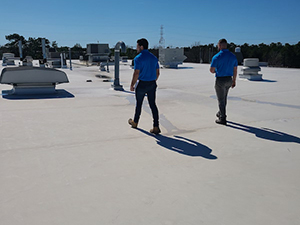
In Fairlawn, Ohio, winter snow accumulation, freezing temperatures, and repeated freeze thaw cycles place significant stress on commercial roofing systems. As spring arrives in March, rising temperatures and seasonal rain can expose small cracks or weaknesses that form during winter. Scheduling a commercial roof inspection in Fairlawn, Ohio, early in the spring helps business owners detect damage before spring storms create leaks or interior water issues.
At Century Commercial Roofing, we provide detailed commercial roof inspection services throughout Fairlawn, Ohio. Call 330-926-6972 to schedule your commercial roof inspection Fairlawn, Ohio and ensure your building is ready for the spring season.
Spring Commercial Roof Inspection Checklist
Spring is one of the most important times to evaluate a commercial roofing system. As snow melts and rain becomes more frequent across northeast Ohio, roofing materials begin expanding again after months of contraction in cold temperatures. These seasonal shifts can reveal weaknesses in membranes, flashing, and drainage systems. A professional inspection in early spring allows property managers to identify problems quickly and take action before minor issues develop into costly repairs.
Commercial buildings often have flat or low slope roofing systems that require close evaluation after winter weather. Snow loads, ice accumulation, and fluctuating temperatures can weaken seams or allow moisture to enter small openings in the roof surface. When spring rain begins, these vulnerabilities may allow water to move deeper into the roofing system.

Fairlawn experiences frequent temperature changes in late winter and early spring. Roofing materials expand as the weather warms, which can widen cracks or stress existing repairs. A professional commercial roof inspection during spring helps identify these weak points early so building owners can prevent leaks and structural damage during the rainy season.
Inspect Roofing Membranes
Flat commercial roofs commonly use TPO, EPDM, PVC, or modified bitumen systems. These materials are designed for durability, but winter weather can still create stress across the roof surface. During a commercial roof inspection, roofing professionals carefully examine the membrane for visible signs of damage that may have developed during colder months.
Inspectors typically check for:
- Open or separating seams
- Surface cracks or punctures
- Shrinking membrane edges
Addressing these problems early in spring prevents melting snow and seasonal rain from entering the roofing system.
Check Flashing and Penetrations
Roof penetrations are some of the most common sources of commercial roof leaks. Equipment such as HVAC units, vents, skylights, and drain outlets all require properly sealed flashing to keep water from entering the roof structure. Winter weather can weaken sealants and loosen fasteners as materials expand and contract.
During a commercial roof inspection, technicians carefully evaluate flashing edges and sealants surrounding rooftop equipment. They also check curb connections and mounting hardware to ensure components remain secure after winter exposure. These inspections help prevent leaks that often appear during spring rainstorms.
Evaluating Drainage Systems
Spring weather in Ohio often brings frequent rain, making proper roof drainage extremely important. Debris from winter storms can clog drains and block scuppers, preventing water from flowing off the roof efficiently. When water collects on flat commercial roofs, it can place additional stress on the roofing membrane and increase the risk of leaks.
During a spring commercial roof inspection, crews will typically:
- Clear drains and gutters
- Remove debris from drainage pathways
- Check for signs of ponding water
Ensuring proper drainage allows rainwater to move safely off the roof and helps prevent water related roofing damage.
Commercial Roof Inspections and Insulation
A commercial roof inspection should also include evaluation inside the building. Moisture that entered the roofing system during winter may not become visible until temperatures begin to warm and snow begins to melt. Interior signs often provide early clues that hidden roof damage may exist.
Property managers should pay attention to ceiling stains, discoloration, or soft ceiling tiles that appear during spring. Musty odors or rising energy costs can also indicate that moisture has affected insulation beneath the roofing membrane. Identifying these signs early allows roofing professionals to locate the source of the problem before it spreads further.
Examine Roof Edges
Roof edges and parapet walls experience some of the strongest weather exposure during winter storms. Snow accumulation, ice buildup, and high winds can loosen edge metal or create small gaps in perimeter flashing. When spring rain arrives, these openings can allow water to enter the roofing system.
A commercial roof inspection in spring should confirm that edge metal remains secure and that parapet caps are properly sealed. Expansion joints and perimeter flashing should also be checked to ensure no gaps have developed during seasonal temperature changes. These areas are often overlooked but play a critical role in protecting the entire roofing system.
Schedule Your Spring Commercial Roof Inspection
At Century Commercial Roofing, we specialize in detailed inspections designed for the climate conditions in Fairlawn, Ohio. Our experienced team evaluates every part of the roofing system and provides clear recommendations to help property owners make informed decisions.
Protect your property this season by scheduling your commercial roof inspection Fairlawn, Ohio today. Call Century Commercial Roofing at 330-926-6972 to ensure your building is ready for the spring months ahead.
FAQ
Does a commercial roof inspection help with insurance documentation?
Yes. Inspection reports can document roof condition and support insurance claims if damage is discovered.
Can thermal imaging be used during a commercial roof inspection?
Yes. Infrared technology can detect moisture beneath roofing membranes without invasive testing.
Will tenants need to vacate during a commercial roof inspection?
No. Most inspections are performed on the roof and do not interrupt building operations.